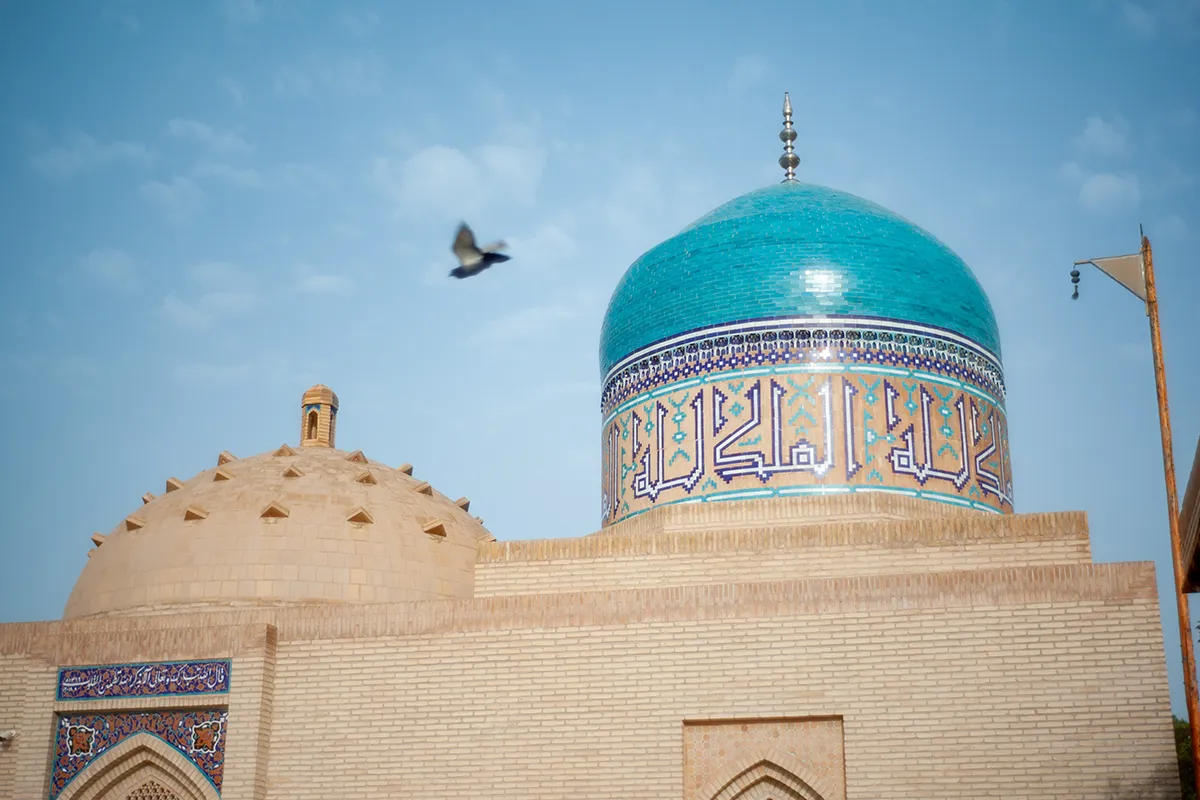
A trip to Uzbekistan is truly a once-in-a-lifetime experience. This Guide to Uzbekistan Travel covers everything you need to plan the perfect journey through Uzbekistan’s Silk Road cities. We spent 10 days exploring and found it to be the ideal amount of time to see it all.

1. Overview
Background of the Country
Uzbekistan sits at the very heart of Central Asia, once the beating crossroads of the Silk Road where merchants, ideas, and cultures converged. Today, it remains one of the region’s most fascinating destinations, blending ancient Islamic architecture, Soviet-era heritage, and a rapidly modernizing identity.
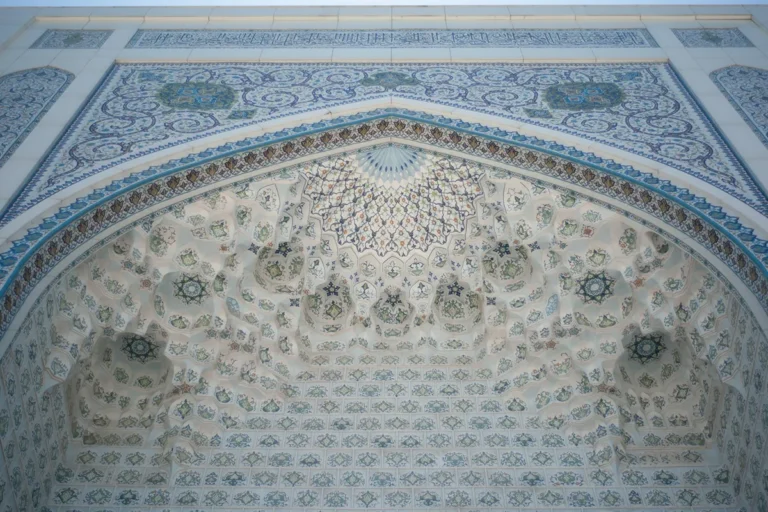
The country is best known for its legendary Silk Road cities (Samarkand, Bukhara, and Khiva), where turquoise domes, intricately tiled madrasas, and lively bazaars bring history to life. Beyond the UNESCO World Heritage sites, Uzbekistan is rich in traditional crafts, vibrant textiles, and hearty dishes like plov (pilaf). Add in the warmth of its people and the thrill of standing at the very center of Asia, and you get a destination where east meets west in the most vivid way.
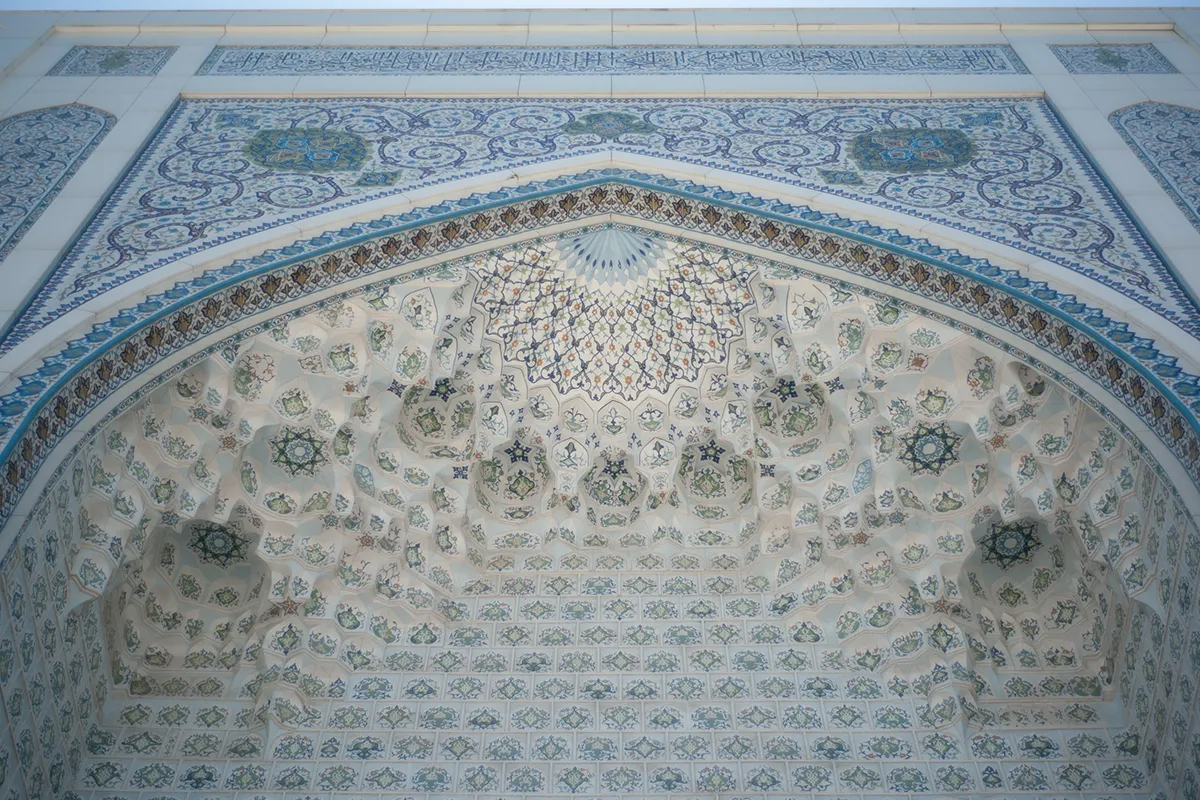
Why Travel Here
If you are looking for a destination that blends rich history, breathtaking architecture, and warm hospitality without the crowds of mainstream tourist spots, Uzbekistan is a perfect choice. From the dazzling turquoise domes of Samarkand to the winding streets of Bukhara and Khiva, the country offers an authentic glimpse into the heart of the Silk Road. Whether you are drawn by centuries-old culture, stunning Islamic art, or the chance to explore a place still relatively untouched by mass tourism, Uzbekistan delivers an experience unlike anywhere else.
Compared to many countries, Uzbekistan is remarkably affordable, and its tourism sector is clearly on the rise. It hasn’t yet become a mainstream “must-visit” destination, partly because it only began opening its doors to international tourism just a few years ago. That made it the perfect time for us to visit. We could enjoy the peace and quiet and have a more authentic, local travel experience.
2. Exploring Uzbekistan
Key Areas – The Big Four Silk Road Cities
Uzbekistan is usually explored through its four major cities — Tashkent, Samarkand, Bukhara, and Khiva. If you have extra time, consider swinging by the Fergana Valley or Nukus. And for those craving a bit of adventure, yurt camping near Aydarkul Lake in the north offers that rugged, off-the-beaten-path vibe. In our case, we felt that classic silk road route was just enough for our 10-day itinerary. We wanted to have enough time to enjoy each city and explore the key attractions.
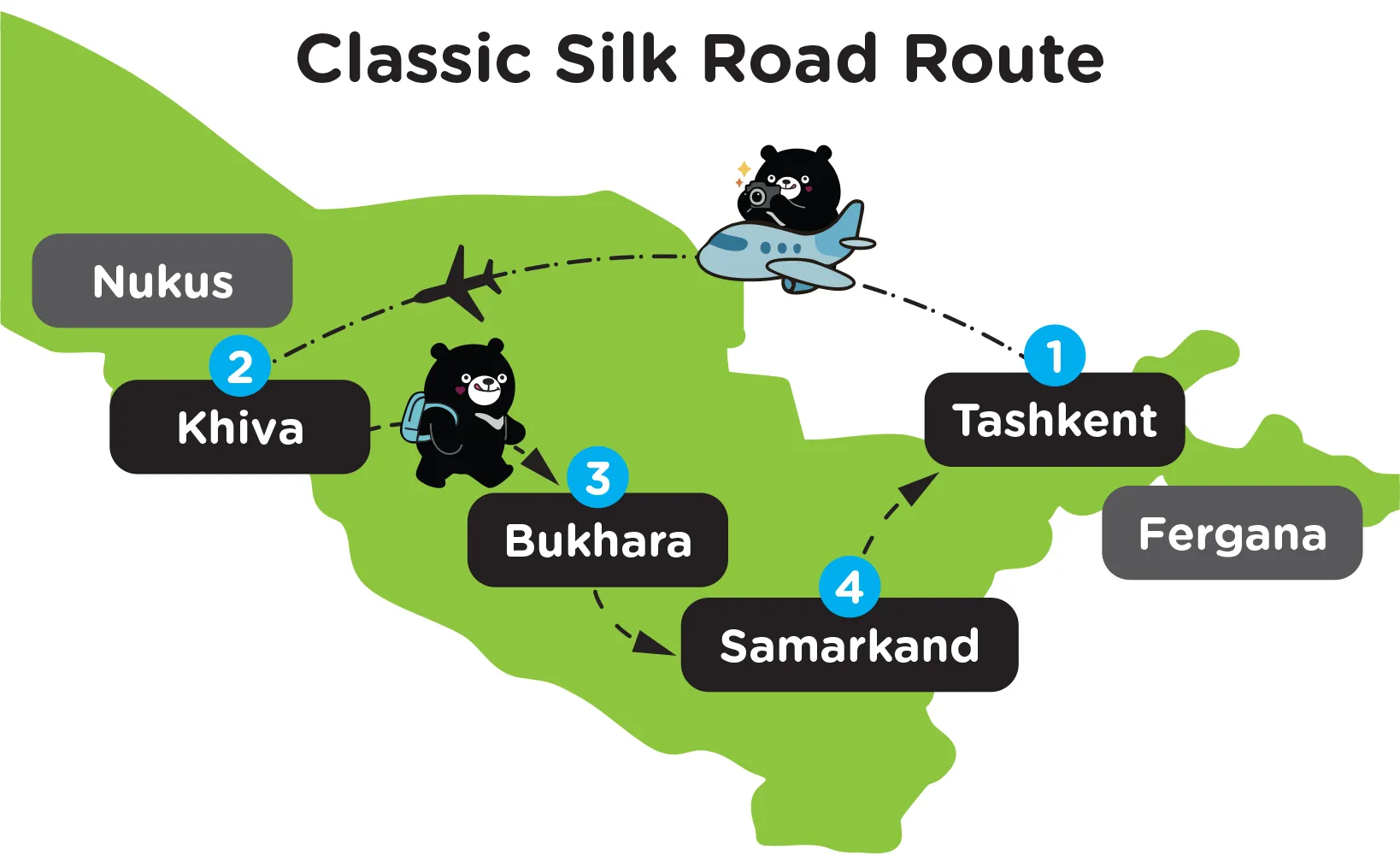
Most trips through Uzbekistan follow one of two classic routes. Since nearly all international flights land at Tashkent International Airport, your journey will start (and usually end) there.
- Route 1 (WanderBoo’s pick): Fly straight from Tashkent to Urgench (the gateway to Khiva), then slowly work your way back east through Khiva, Bukhara, and Samarkand, before wrapping up in Tashkent.
- Route 2: Begin in Tashkent, head west through Samarkand, Bukhara, and Khiva, then catch a flight or high-speed train back to Tashkent.
Route 1 provides the smoothest way to experience Uzbekistan. You knock out the longest, most tiring journey right at the start, and then the rest of your trip is just shorter, easier hops between the main cities — which feels way more relaxing.
Start in Tashkent, then fly to Khiva (city of Urgench) and work your way back east through Bukhara and Samarkand.
Must-See Attractions
Uzbekistan is absolutely packed with jaw-dropping madrasas, mosques, and fortresses. Every city feels like a living museum, with enough history and culture to fill your days (and then some). Even the capital Tashkent has plenty of surprises up its sleeve. Here’s a city-by-city breakdown of the highlights you shouldn’t miss:
Tashkent – The Capital City
- Chorsu Bazaar – A dome-shaped local market where locals sell fresh bread, dried fruits, and nuts. It’s also a great place to buy herbs and tea mixes.
- Khast Imam Complex – Home to some of the city’s oldest mosques and the famous Uthman Quran (one of the world’s oldest).
- Amir Timur Square & Independence Square – Grand central squares that show off Uzbekistan’s history and modern identity.
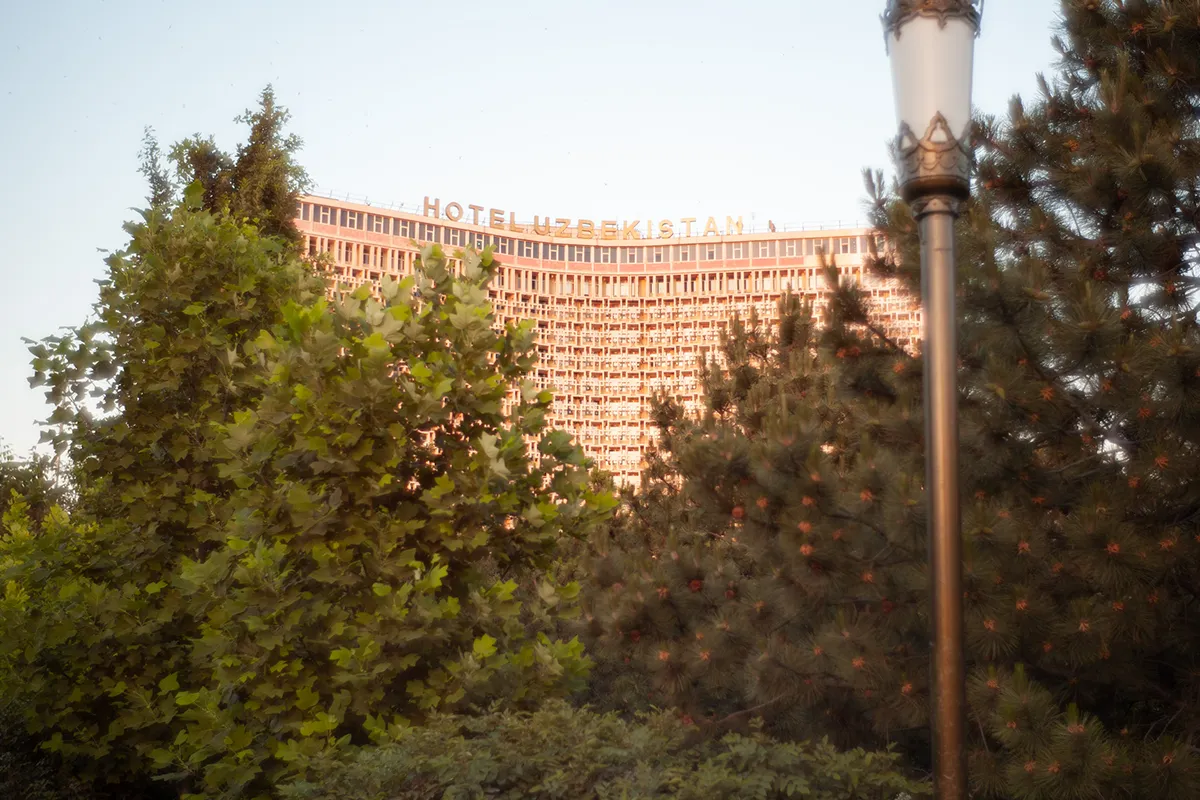
- Hotel Uzbekistan – Iconic Soviet-era hotel in central Tashkent, opened in 1974, just behind Amir Timur Square. Featured in nearly every travel guide.
- Sailgokh Street (Broadway Street) – A lively strip lined with cafes, street art, and performers — perfect for an evening stroll.
- Alisher Navoi Monument – A tribute to Uzbekistan’s national poet, set in a peaceful park.
- Tashkent Metro Stations – Not just transportation — each station is like a mini art museum with chandeliers, mosaics, and Soviet-era design.
- Magic City Park – A modern theme park that is filled with local Uzbek architecture design. Think of it as Uzbekistan’s Disneyland that is completely free to enter.
- Tashkent City Mall – An ultra-modern shopping center with international brands, local boutiques, and restaurants — a perfect place to escape the heat during peak hours.
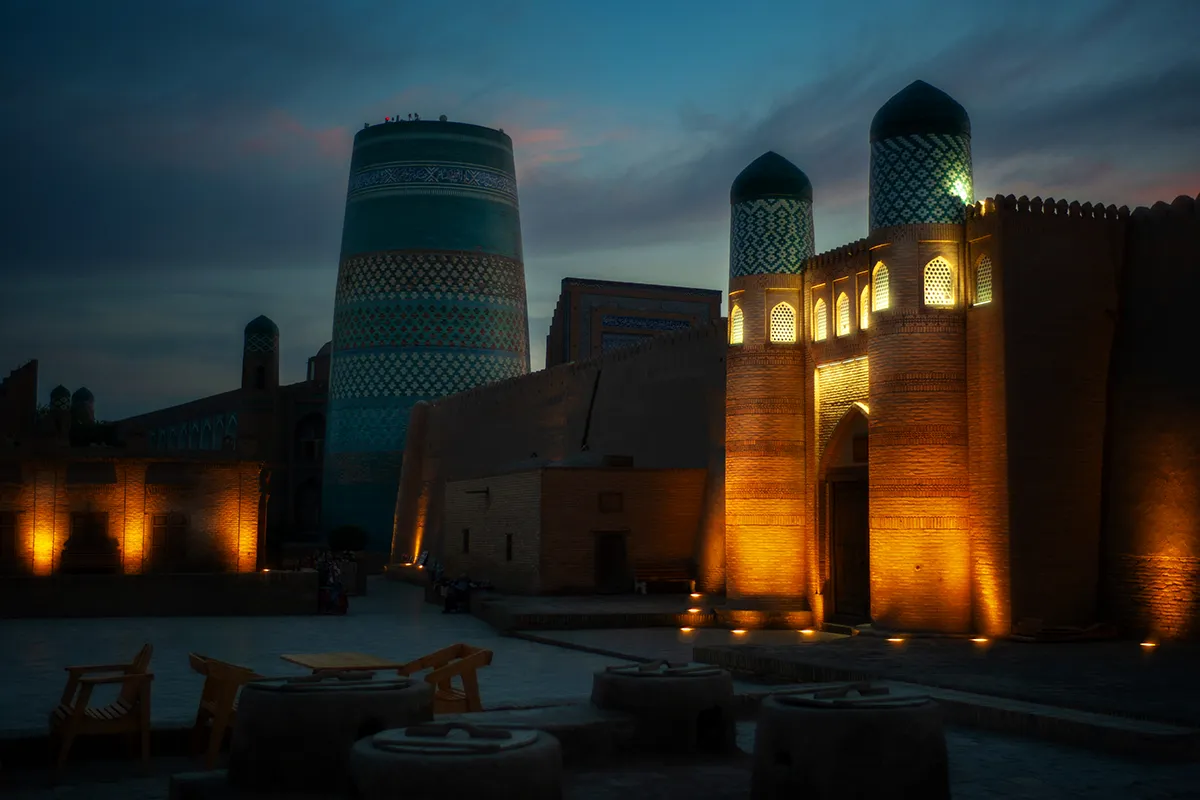
Khiva – The Open-Air Museum City
- Itchan Kala (Old Town) – A UNESCO World Heritage site where time feels completely frozen. Step inside its mud-brick walls and you’ll find yourself wandering through mosques, palaces, and madrasas that look like they belong in a fairytale. Many people say Khiva feels like stepping into Aladdin’s town — and honestly, I couldn’t agree more! Almost all of Khiva’s major attractions are tucked inside this old city, making it the perfect place to simply wander and soak it all in.
- Kalta Minor Minaret – The famous short-and-stubby turquoise minaret that was never finished but is now Khiva’s icon.
- Juma Mosque – Unique for its forest of carved wooden columns, creating a mystical atmosphere inside.
- Tosh-Hovli Palace – Once home to Khiva’s rulers, full of lavish courtyards and tilework.
- Islam Khoja Minaret – The tallest in Khiva — climb up for the best panoramic view (especially at sunset).
- Kunya Ark – The old fortress where Khiva’s rulers once lived, complete with throne rooms and courtyards.
- Pahlavon Mahmud Mausoleum – A beautiful mausoleum honoring Khiva’s patron saint, with stunning turquoise domes.
Bukhara – The Silk Road’s Holy City
- Lyabi Hauz & Nadir Divan Begi Khanaka – A central square with a pond surrounded by cafes; most restaurants and shops are centered around this pond.
- Po-i-Kalyan Complex – Bukhara’s most iconic landmark, with the soaring Kalyan Minaret, grand mosque, and Miri-Arab Madrasa.
- Ulugbek & Abdul Aziz Khan Madrasas – Two contrasting madrasas facing each other, showcasing different architectural styles.
- Bolo Hauz Mosque – Known as the “mosque with wooden pillars,” it has a stunning reflection in the pond out front.
- Ismail Samani Mausoleum – One of Central Asia’s oldest brick structures, dating back to the 9th century. Inside Samonids Recreation Park just behind Bolo Hauz Mosque.
- Ark of Bukhara – A massive fortress that was once a city within a city, housing rulers for centuries.
- Chor Minor – A quirky little madrasa with four unique minarets, small but incredibly photogenic. Fun fact: it even made it onto the cover of Lonely Planet’s guidebook.
- Magoki Attori Mosque & Carpet Museum – A sunken mosque with a fascinating mix of Zoroastrian and Islamic history, now housing carpets.
- Chashmai Ayub Mausoleum – Known as the “Spring of Job,” linked to a legend of the prophet.
- Hazrati Imam– The spiritual heart of Bukhara, home to historic mosques, madrasas, and the famous Tilla-Kari Quran. Wander the serene courtyards and watch locals going about their daily prayers.
- Central Bazaar – Local life at its busiest — great for grabbing souvenirs or spices.
- Outskirt Mosques (Sahi Naksibend & Sayyid Amir Kulal) – Important pilgrimage sites outside the city, offering a glimpse into the spiritual heart of Uzbekistan.
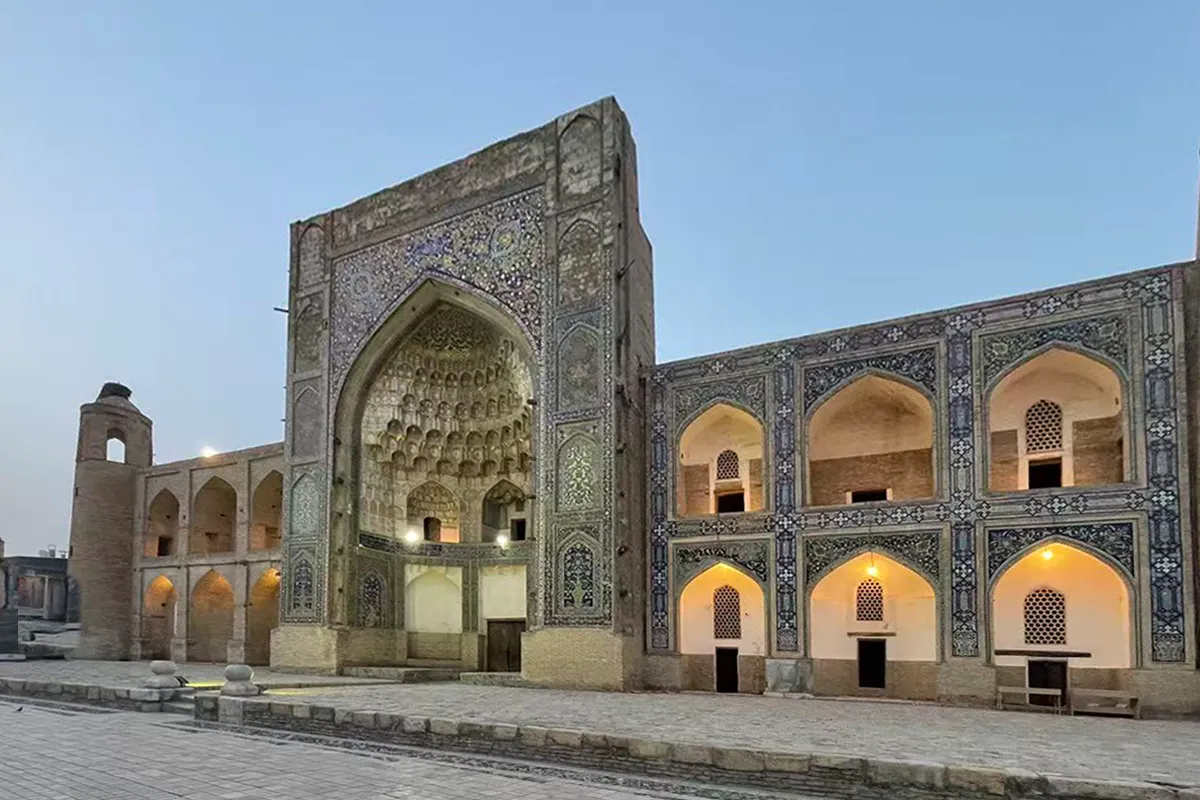
Samarkand – The Ancient Jewel
- Registan Square – The crown jewel of Uzbekistan: three majestic madrasas covered in intricate mosaics, especially magical when lit up at night.
- Shah-i-Zinda Necropolis – A hillside avenue of dazzling blue-tiled mausoleums — easily one of the most breathtaking sights in the country.
- Bibi-Khanym Mosque – Once one of the largest mosques in the world; its towering arches still impress today.
- Hazrat Khizr Mosque – A picturesque mosque overlooking the city with great views of Registan and beyond.
- Amir Temur Mausoleum (Gur-i Amir Complex) – The resting place of Timur (Tamerlane), with an interior dome that will leave you speechless.
- Ulugbek’s Observatory – The ruins of a 15th-century observatory that show just how advanced astronomy was back then.
- Prophet Daniel Mausoleum – A serene spot said to hold the relics of the biblical prophet Daniel, respected by Muslims, Jews, and Christians alike.
- Ancient Afrasiyab & Museum – Explore the ruins and learn about Samarkand before Timur’s reign.
- Siyob Bazaar – Bustling, colorful, and perfect for tasting local snacks or buying dried fruits.
- The Eternal City (Silk Road Samarkand) – A newly built cultural park that reimagines life along the Silk Road, located about 20-minutes drive east of Registan Square.
It might look like a lot, but you can squeeze all of these into a 10-day Uzbekistan itinerary by following my Complete Uzbekistan 10-Day Itinerary: Top Sights, Food, and Travel Tips. Out of all the stops, my absolute favorite was Khiva — it’s small, walkable, and has this timeless charm that instantly transports you back to the Silk Road days. Unlike the bigger cities, Khiva feels slow-paced and intimate, with locals still going about their daily lives inside the old city walls. It’s hands down one of the most relaxing and magical places we’ve ever explored. Don’t forget to purchase tickets on the south end of the wall so that you have access to all the attracted within.
Our favorite spot was Khiva. It was less commercial/developed, which gave us a feeling of transporting back in time.

Must-Try Dishes
No trip is complete without diving headfirst into its food scene. Uzbek cuisine is hearty, comforting, and all about lamb and carbs — think kebabs, dumplings, rice, and endless bread. Influenced by nomadic traditions, Silk Road trade, and neighboring cultures, it’s just as rich and layered as the country’s history.
Here are the must-try dishes you’ll come across everywhere:
- Plov (Pilaf) – Uzbekistan’s national dish. Rice slow-cooked with lamb, carrots, onions, and spices. Each city has its own twist, but Samarkand and Tashkent are especially proud of theirs.
- Samsa – Baked pastries stuffed with meat, pumpkin, or potatoes. Cheap, filling, and perfect as a snack on the go. Imagine an empanada, but with an Uzbek twist.
- Manti – Steamed dumplings usually filled with lamb or beef and onions, perfect as a hearty, comforting snack.
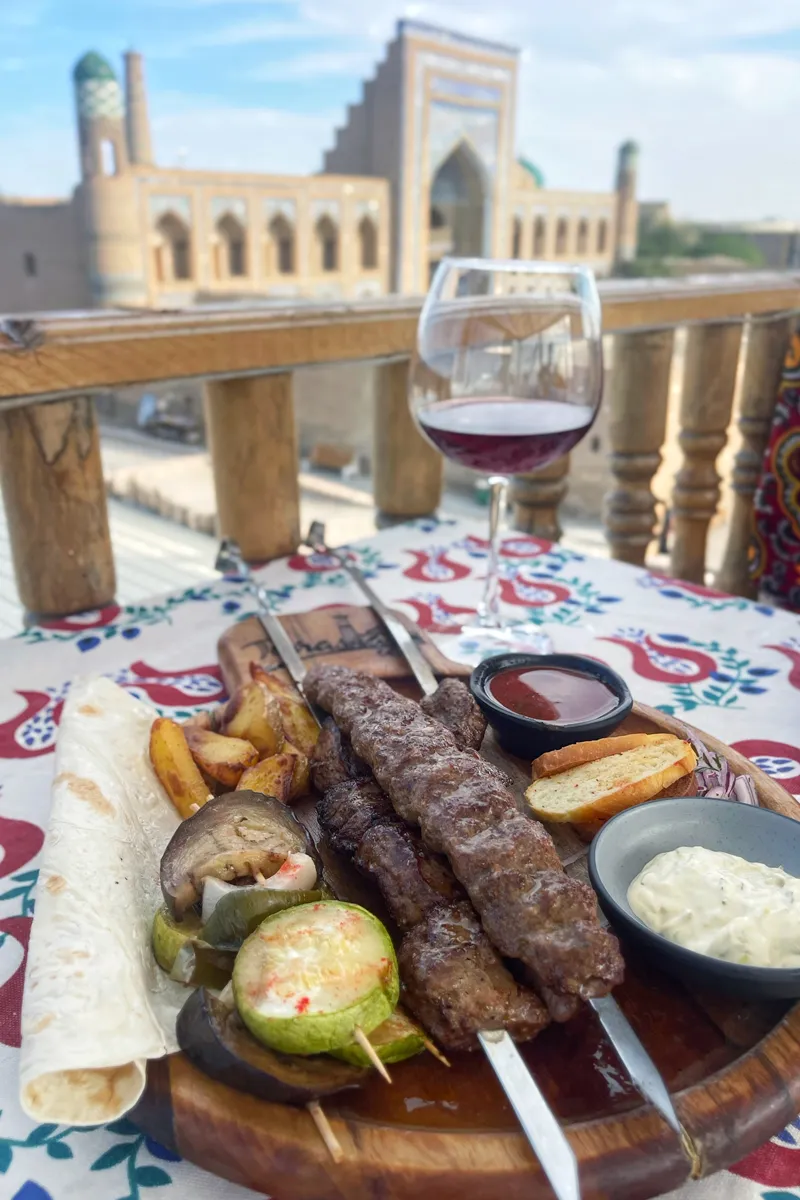
- Shashlik (Kebabs) – Juicy skewers of grilled meat (often lamb or beef) served with raw onions and fresh bread. My personal favorite? The lamb!
- Shurpa – A clear soup made with lamb and vegetables, often served as a starter before the heavier dishes.
- Non (Bread) – Flatbread baked in clay ovens, decorated with beautiful stamped patterns. It’s sacred in Uzbek culture — you’ll never see a table without it.
- Halva & Sweets – Perfect for dessert lovers. Markets are packed with halva, dried fruits, and candied nuts to nibble on.
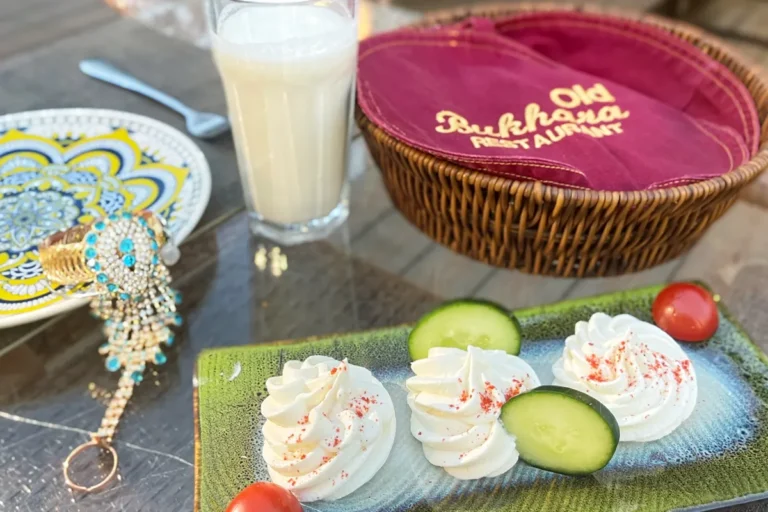
- Ayran – A refreshing, tangy yogurt drink that’s perfect for cooling down while exploring Uzbekistan.
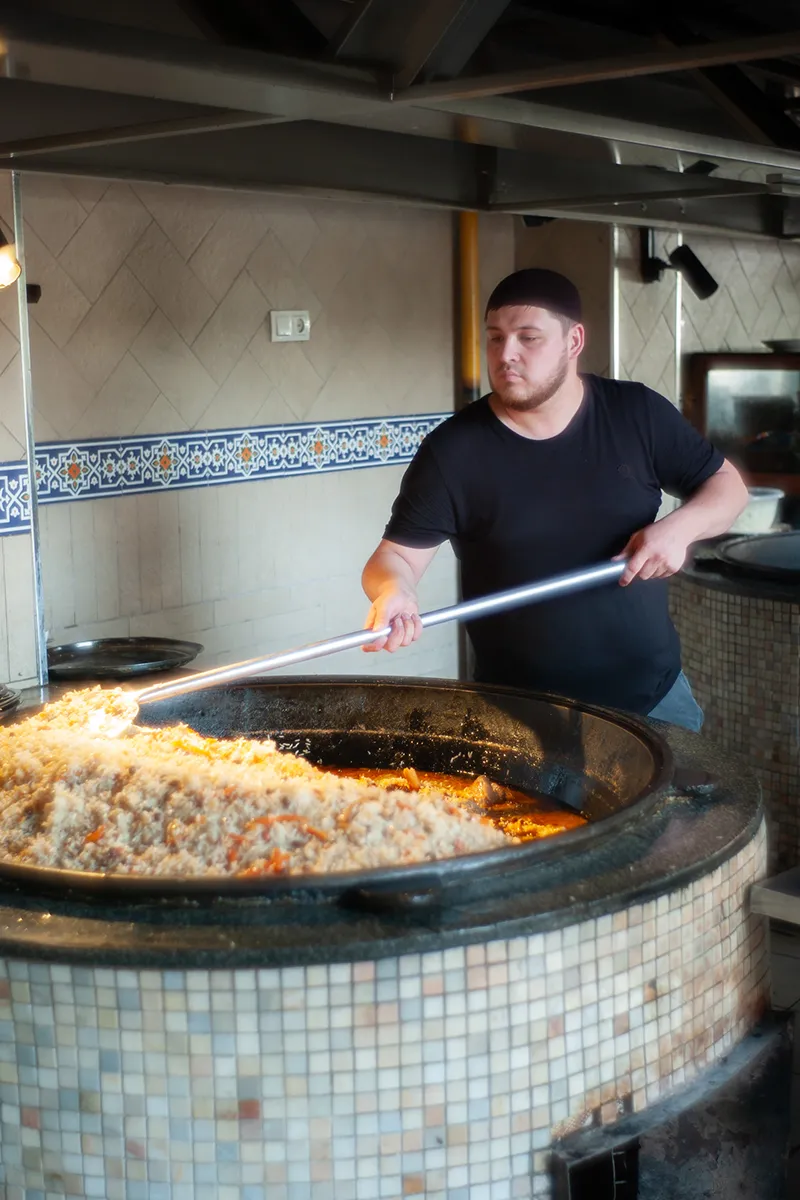
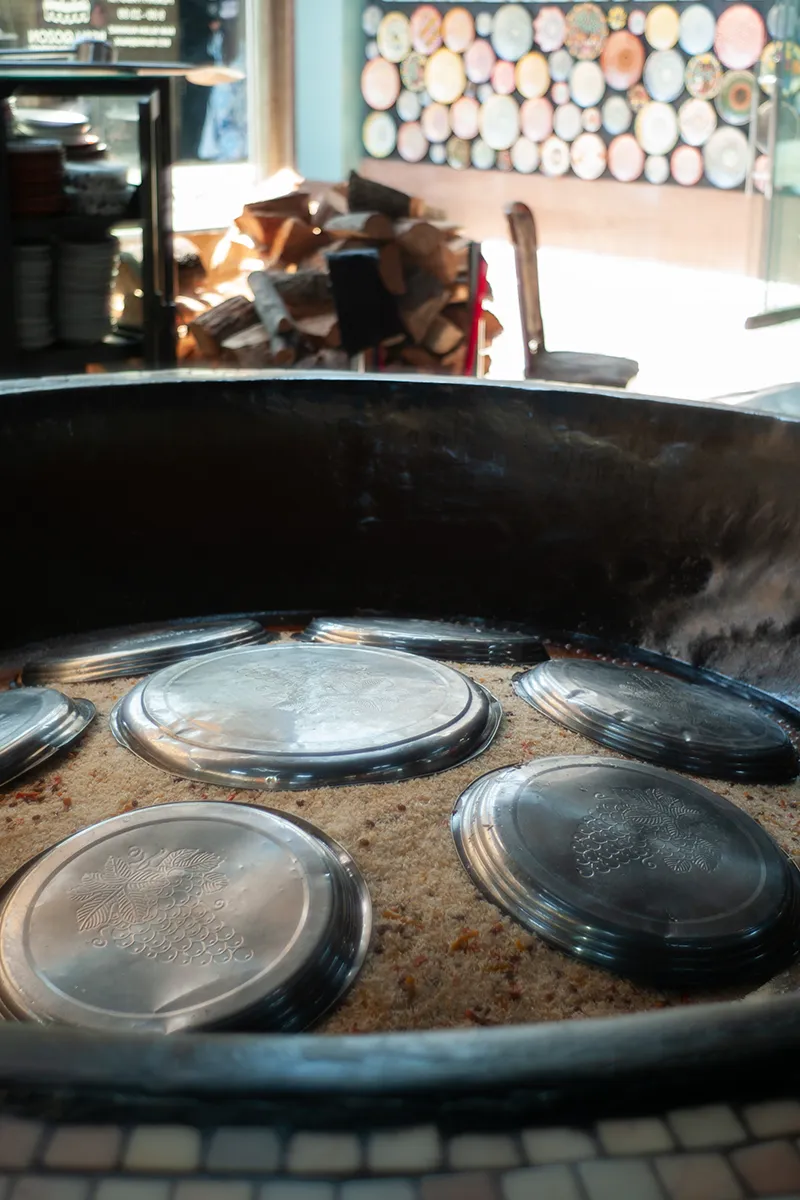
My personal recommendations on where to eat:
- Tashkent – Head to Besh Qozon for an authentic (and massive) serving of plov cooked in giant cauldrons. It’s a tourist favorite for good reason — the service is great, and they accept credit cards.
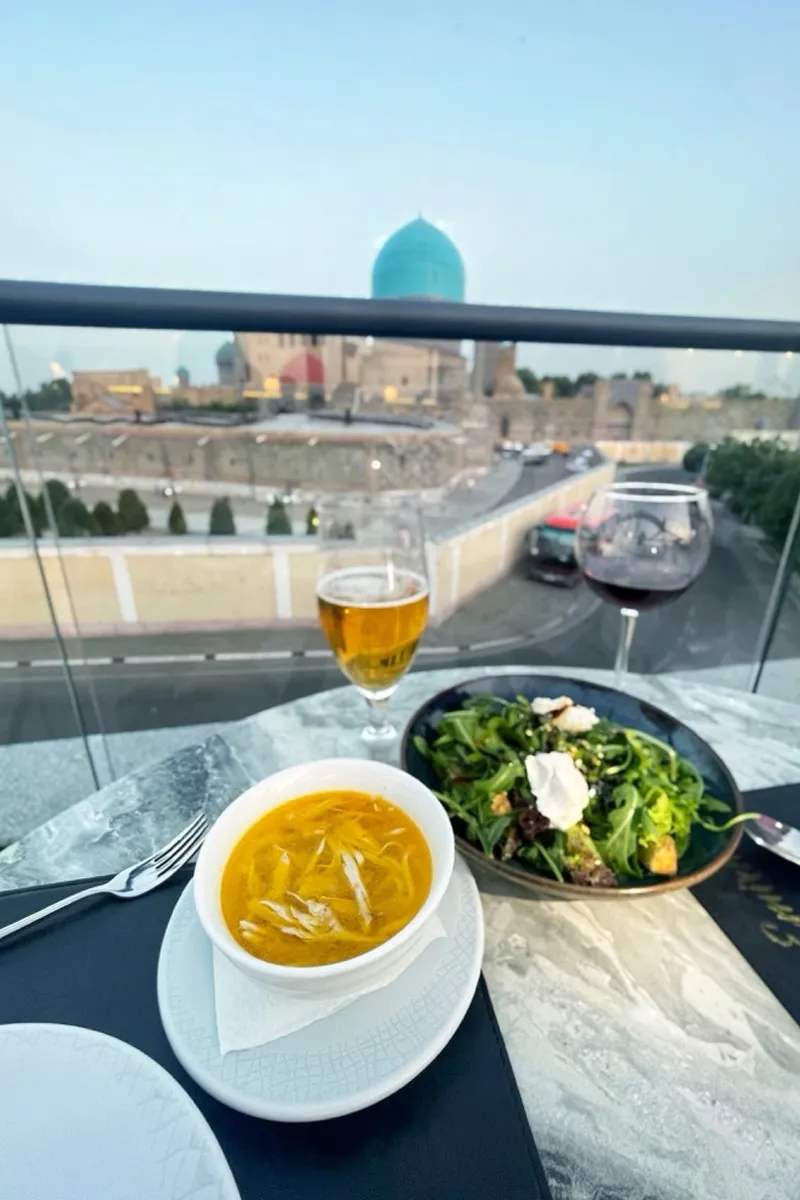
- Samarkand – For atmosphere, you can’t beat EMIRHAN Restaurant with its rooftop views over Registan Square (book ahead, it’s popular!). If you’re serious about plov, join the locals at Samarkand Plov Otash Osh.
- Bukhara – The old town is full of charming courtyard restaurants. Old Bukhara and Joy Chaikhana Lounge are great picks near Lyabi Hauz if you’re looking for classic Uzbek fare. But my unexpected favorite was Zaytoon. It’s more Middle Eastern than Uzbek, just a short Yandex ride away from city center, and so good that we went back three times.
- Khiva – Terrassa Cafe & Restaurant is arguably the best in town, with a stunning view. Definitely call ahead to reserve — walk-ins during meal times almost never get a seat.
Where to Stay
Finding the right place to rest your head can make or break a trip, and in Uzbekistan, you’ve got options ranging from charming boutique hotels to cozy guesthouses. Whether you’re wandering the ancient streets of Khiva, exploring the bustling capital, or soaking in Samarkand’s history, here are some spots I personally recommend (and yes, I’ve stayed at a few of them myself!).
- Khiva: Farovon Khiva Hotel – Hands down the nicest and most luxurious hotel in Khiva, just minutes from the heart of the old town. Built in 2021, it’s very new and modern. We stayed in the Grand Double Room, which was spacious at 34 m². The rooms are cozy, the staff are friendly, and it’s honestly the best accommodation you’ll find in the city. Most other options inside or near Itchan Kala (the old town) are at best 2-star, so if you’re used to 4- or 5-star standards, this is definitely your best bet—but without the sky-high prices of a typical ultra-luxury hotel.
- Tashkent: The Elements Hotel – Opened in 2021, this modern and comfortable hotel sits in the northern part of Tashkent, just a 10-minute drive from the city center. It’s a fantastic value, with standard rooms at under $80 USD per night—an absolute steal for a newly built hotel with sleek, modern décor.
- Samarkand: Ametist Hotel Complex – This privately owned hotel sits right in the heart of Samarkand, and you can immediately tell it’s not part of a chain. The staff treat you more like a friend than a guest. We stayed in a Super Suite, a whopping 45 m² for less than $150 USD. The room was new, clean, and absolutely spacious. The hotel is just a few minutes’ drive from Registan Square and wonderfully quiet—truly the perfect place to stay in Samarkand!
- Bukhara: We stayed at Sahid Zarafshon, but honestly, it didn’t meet our expectations. The hotel felt a little run-down, so I wouldn’t recommend it if you’re accustomed to 4+ star standards. It’s better to look for other options such as Wyndham Bukhara, a reputable 4 star hotel chain with modern design. Use Agoda -to for searching hotels in the area and find something that suits your standards and comfort. It is what I used to book 90% of my accommodations because it always offers the lowest price.
3. Suggested Itineraries
I spent 10 full days exploring Uzbekistan, and honestly — it was the perfect amount of time to soak up the history, wander through ancient cities, and still have moments to just sit with a pot of green tea and people-watch. The country is surprisingly easy to travel around thanks to high-speed trains and affordable taxis, which makes it possible to see a lot without feeling rushed.
This itinerary follows the classic Silk Road route — Tashkent → Khiva → Bukhara → Samarkand → back to Tashkent — balancing big-name sights with a few hidden gems along the way.
4. Essential Travel Info
Culture
Uzbekistan’s population is about 90% Muslim, which shows up in everyday life. They value cleanliness and honesty, and the moment you arrive you’ll notice how tidy everything is—and how friendly people are. Muslims focus on purifying the mind and heart, and you can really see this reflected in their culture through kindness, respect, and hospitality.
Family and community are central here, with meals, celebrations, and markets bringing people together. Uzbekistan also has a rich artistic heritage, from colorful textiles and crafts to stunning architecture in Samarkand and Bukhara. Overall, the culture is warm, welcoming, and full of history—you’ll feel it everywhere you go.
Language
Uzbekistan’s official language is Uzbek, with Russian also widely spoken, especially in the larger cities. Since we only speak English and Mandarin Chinese, we relied on English throughout our journey. For the most part, hotel and restaurant staff spoke fluent English, which was more than enough to get us through most situations. Taxi drivers (including Yandex drivers), however, spoke very little English, and most market vendors knew only a few words. To bridge the gap, I occasionally used Google Translate on my phone, which worked well. That said, the language barrier never negatively affected our trip. Everyone we met was welcoming and helpful, and we always felt safe throughout our travels.
Tourist Visa – Uzbekistan Visa Tips
Uzbekistan is travel-friendly for most nationalities. Its visa policy generally ranges from visa-free stays of up to 30 days to a straightforward e-Visa system, and there is the in-between visa on arrival that require additional steps (don’t worry, I have more info on how to apply below). Since requirements can change depending on your passport, I recommend always checking the latest official government updates before traveling.
In my case, I was traveling with a Taiwanese passport, which required me to apply for a Visa on Arrival. This meant I first needed an invitation letter from a local Uzbek tour company, which I arranged about a month before departure. I used GlobalConnect, who were very responsive via e-mail and processed the letter within 10 days after payment via PayPal. The invitation cost $85 USD per person. With that document, I was able to obtain a Visa on Arrival at Tashkent International Airport for an additional $65 USD. I have no affiliation with GlobalConnect and am simply sharing my experience. Alternatively, I have also read that CityTour can issue invitation letter at a lower cost ($65 USD per person).
One thing to note: once the Visa on Arrival sticker is placed in your passport, you are required to line up at the actual immigration counter (Visa on Arrival is a separate counter in the center of the immigration area). This can be time-consuming as I already waited about 20 minutes to get my Visa on Arrival, but after speaking with a manager on site, I was allowed to move to the front of the line and cleared immigration much faster—saving me at least 30 minutes.
Another important point: the Uzbekistan e-Visa portal is known to have technical issues, particularly with the required passport photo upload. Many applicants report being unable to successfully submit their e-Visa because the system rejects the portrait photo without explaining why. To avoid this, make sure you use proper photo-editing software (ex. Photoshop) to adjust your passport photo to the exact pixel dimensions and file format required. If not, the system will continue to give errors without clear instructions. There are many discussions online where travelers share troubleshooting tips if you encounter this problem.
If you need a Visa on Arrival, apply for an Invitation Letter from a local Uzbek tour company. I used GlobalConnect for this process and can genuinely recommend their service (no affiliation).
Getting There
Flying is by far the most convenient way to reach Uzbekistan, unless you are already traveling in one of the neighboring countries. For most international visitors, the easiest option is to connect through major hubs such as Dubai, Istanbul, Frankfurt, or Amsterdam, with additional routes available via Seoul or cities in China. No matter which airline or hub you choose, your journey will ultimately bring you to Tashkent, the capital and primary gateway to Uzbekistan.
If you’re already in a neighboring country, traveling overland into Uzbekistan is quite doable. Trains, buses, and shared taxis connect major cities across borders from Kazakhstan, Kyrgyzstan, and Tajikistan, while car travel is also common. These routes can be slower than flying, but they offer a more scenic and local way to arrive, with Tashkent and the Fergana Valley being popular entry points. Do note that your visa will be checked at the border, so make sure it’s ready before you travel.
For my own trip, I took a slightly different route. I flew from Taipei to Urumqi, China, with a short layover in Hong Kong. After a few hours exploring Urumqi without an overnight stay, I boarded a direct Uzbekistan Airways flight to Tashkent. This plan not only provided a smooth connection but also gave me the chance to experience Urumqi, a fascinating city that blends Central Asian influences with Chinese culture. The food scene alone was worth the stop, and I’ll be sharing more about that in a separate post.
When it came to booking flights on Uzbekistan Airways’ official website, I ran into a big headache—I just couldn’t get the payment to go through. I tried multiple credit cards, both Visa and MasterCard, but none of them worked. Later I found out online that this is actually a pretty common issue for travelers. In the end, I gave up and booked my ticket through Expedia instead, which worked without a problem.
Most travelers enter Uzbekistan through Tashkent International Airport, unless they are already in neighboring countries and choose to cross the border by train, bus, or car.
Aiport Guide
Knowing your departure and arrival airport is key to navigating smoothly and avoiding hiccups along the way. Tashkent International Airport is considered a mid-size airport; compared to the world’s major hubs, it handles far fewer passengers. This means the terminals often feel more open and less crowded, with immigration and baggage claim usually moving quicker. On the flip side, facilities are limited — there aren’t many duty-free shops or restaurants, so dining and shopping options are fairly basic.
One big advantage is its location. The airport is only 8–10 km from central Tashkent (about 15–20 minutes by taxi), making transfers quick and convenient. This also gives you extra time to explore the city on your departure day.
On my arrival night in Tashkent, I had a small mishap with an airport taxi. An official driver approached me at the gate, showed me the fare on his phone, and since it looked reasonable compared to what I had seen earlier on the Yandex ride-hailing app, I agreed. However, during the ride I double-checked the fare with a currency app and realized I had overlooked an extra digit — the trip ended up costing about three times more than it would have via Yandex. I’ve taken airport taxis in many countries before and never had an issue, as drivers were always honest, so this was the first time I ran into a problem, and it was purely my own mistake. While the cost difference wasn’t huge, it taught me to be much more careful with numbers and pricing throughout my trip — a friendly reminder to always double-check fares, even from official taxis.
Download the Yandex App (Uzbekistan’s local ride-hailing service) and set up your credit card before arriving. Yandex rides are usually much cheaper than airport taxis — learn from my mistake!
Getting Around
Getting around Uzbekistan was one of the easiest and smoothest travel experiences I’ve ever had. The Yandex app was the real game-changer — reliable, cheap, and available in all the major destinations, including Tashkent, Khiva, Bukhara, and Samarkand. It works just like Uber or Grab: open the app, enter your destination, and you’re set. Rides typically cost between 7,000–40,000 som (about $0.55–$3.20 USD) — incredibly affordable! Because Yandex was so convenient and inexpensive, I didn’t use any other form of in-city transportation.
For traveling between cities, I recommend booking the high-speed train about a month in advance through the official railway website (https://eticket.railway.uz/
) and then downloading their app to keep your trip info handy. If you can’t secure a seat on the train, another great option is booking a private car (sedan type) for under $100 USD. I arranged one with Islambek Travel from Khiva to Bukhara for $94 USD, which included stops at five deserted fortresses along the way. It was absolutely worth it for the unique history and scenery, though keep in mind that driving takes much longer than the train.
Money & Payments
Uzbekistan uses its own currency, the Som (UZS), and in most cases you’ll need to pay in som. Banknotes range from 1,000 to 200,000 som, though smaller bills are especially handy since many street vendors only accept cash for inexpensive items. For example, a bottle of soda or juice typically costs 5,000–10,000 som.
It’s convenient to exchange money right at the airport — the rate at Tashkent International Airport is reasonable, and the exchange counter is easy to find (just to the left after clearing immigration, inside the luggage claim area). Exchange enough for snacks, drinks, or souvenirs, as most established restaurants and shops accept credit cards. I always recommend bringing $100 USD bills for exchange, as they’re more transparent and usually get you a stronger rate.
Having backup USD cash is always a good idea. In my experience, I ran out of som in Bukhara but was able to pay in USD at a bazaar and received change in local currency. It was much easier and faster than searching for an exchange shop and risking weaker rates. Street vendors will usually show you the exchange rate they’re using, and in my experience, Uzbeks are friendly and straightforward — they’re not out to scam you, just to keep business moving. This makes the process feel safe and hassle-free.
However, do keep in mind that some street vendors may verbally quote prices in dollars instead of som, which can be confusing. For example, “5” might mean 5,000 som or $5 USD. Always double-check which currency they’re referring to so you don’t end up overpaying by mistake. Uzbeks are generally very honest, but in tourist-heavy areas you’re more likely to see prices quoted in USD. And don’t forget — bargaining is part of the culture when paying in cash. Take your first day or two to observe local prices, then start negotiating once you have a feel for what’s fair.
Credit cards are widely accepted in businesses with storefronts — restaurants, shops, and bars in major cities. However, you may encounter an unusual step where the payment terminal asks for a PIN, even for credit cards that don’t normally use one. In my case, I could usually bypass it by telling the cashier there was no password, but on a few occasions the transaction failed. Some travelers suggest trying “0000,” though I didn’t test it myself to avoid potential fraud issues. To be safe, bring more than one travel card, ideally Visa or Mastercard, since they’re the most commonly accepted.
When shopping, always confirm if verbal price quotes are in som or USD — “5” could mean 5,000 som or $5, which is almost five times the difference!
Tipping
Tipping in Uzbekistan isn’t common as of 2025. I didn’t tip at all during my trip, and it was never expected. In some established restaurants, a small service charge may be added to the bill, which is transparent and a nice way to support local businesses and the growing tourist market.
Power Plugs & Adapters
Uzbekistan uses the European-style outlets, mainly Type C (two round pins) and Type F (two round pins with grounding). The electricity supply is 220V / 50Hz, which is standard across much of Europe and Asia. Most travel adapters that work in Europe will work just fine here. I recommend bringing a few universal adapters, plus a portable travel power strip with at least four outlets and some USB ports. This has been my best tip and go-to for every trip! This setup is enough to charge my laptop, camera batteries, handheld fan, camera flash, power bank, and mobile phone. Highly recommended!
Bring a portable travel power strip to charge all your electronics instead of carrying multiple plugs.
Weather
Uzbekistan’s weather really shapes the kind of trip you’ll have, so timing matters.
- Spring (April–June) is often said to be the best time—warm but not yet scorching, flowers in bloom, and perfect for wandering around cities like Samarkand and Bukhara without breaking too much of a sweat.
- Summer (July–August), on the other hand, can be brutal. In the desert areas, temperatures easily climb past 35–40°C, which makes sightseeing tough unless you’re really good with heat.
- Autumn (September–October) is another sweet spot—the air cools down, the skies are clear, and markets overflow with fresh fruit, making it a great mix of comfort and atmosphere.
- Winter (November–March) brings cold weather and even some snow, especially outside of Tashkent. The upside is fewer tourists and lower prices, though not every site or activity will be available.
Best Time to Visit Uzbekistan
If you’re planning a trip, spring and autumn are the clear winners. You’ll get the most comfortable weather, fewer crowds compared to Europe’s tourist hubs, and the perfect backdrop for exploring Uzbekistan’s incredible historic sites.
Our trip was in May, which is technically still spring, but it already felt more like summer. By midday, the sun was intense, and temperatures could climb past 40°C, making sightseeing quite uncomfortable. If I were to plan again, I’d choose March or April instead, when the weather is cooler and much more pleasant for exploring.
5. Travel Experience
How Easy Is It to Travel
Uzbekistan is honestly one of the easiest countries I’ve ever traveled in. Getting around is a breeze with the Yandex ride-hailing app—it’s cheap, reliable, and takes you pretty much anywhere you need to go. That means you can keep your itinerary flexible and just go with the flow, which makes the whole trip feel way more relaxed. There’s also no shortage of guides and resources online for planning out the big sights, and finding a clean, comfortable place to stay is never a problem. But the real reason travel feels so easy here is the people. Locals are incredibly friendly and approachable—many times someone would strike up a chat with me even when we didn’t share a language. It feels genuine too, not like in places where you’re constantly being hustled for money. That warmth really makes all the difference.
Safety
Uzbekistan feels incredibly safe to travel in. I never once felt hassled or on edge, whether I was walking around during the day or heading back late at night. What surprised me most is how relaxed everything feels—there’s none of that constant hustling you sometimes get in tourist-heavy places. Instead, it’s peaceful, easygoing, and really lets you enjoy the experience without worrying. Honestly, I’d say go now, while it’s still under the radar, before the crowds catch on.
Who Should Go
I traveled to Uzbekistan with my wife, and it turned out to be a fantastic destination for couples. We found plenty of cozy restaurants and beautiful, romantic spots to enjoy together. Along the way, I also met older travelers from Europe, some exploring on their own and others with families. Honestly, Uzbekistan works for just about anyone—whether you’re a backpacker chasing history and adventure, a family looking for something different, or a couple wanting a mix of culture and charm, there’s more than enough here to make the trip memorable.
6. Personal Experience
What We Liked
For us, what made Uzbekistan really stand out was the chilled vibe mixed with incredible historic buildings that seem to pop up everywhere. It’s rare to find that kind of calm in places with so many big attractions, but here it felt almost quiet no matter where we went. A couple of times we were literally the only ones at an entire site, which made it feel even more special. Add in the rich culture, and it honestly didn’t take long for the country to win me over.
What We Didn’t Like
What I didn’t love about visiting Uzbekistan in May was the heat. Spring is supposed to be one of the best seasons to go, but by around 9:00am the sun was already blazing, and by midday it could hit the 40s °C—way too hot to enjoy walking around. After a couple of sweaty, exhausting days, we figured out a better rhythm. We started leaving the hotel around 4:30am, reaching the major sites by sunrise when it was cooler and much more comfortable (plus, the lighting for photos was perfect). The idea actually came from a fellow traveler we met on our flight from Tashkent to Urgench—she had been to Uzbekistan before and suggested taking advantage of the mornings and saving the hottest hours for resting back at the hotel. Once we tried it, it completely changed the experience for the better.
Beat the 40°C heat—explore early, rest midday, then head out again after 4pm.
Conclusion
Uzbekistan has honestly become one of our favorite countries so far! Funny enough, we even met a traveler in Palau who’s been to over 100 countries, and he felt the same way. That really confirmed our feelings about this amazing place, and why we think Uzbekistan should be on your list too.